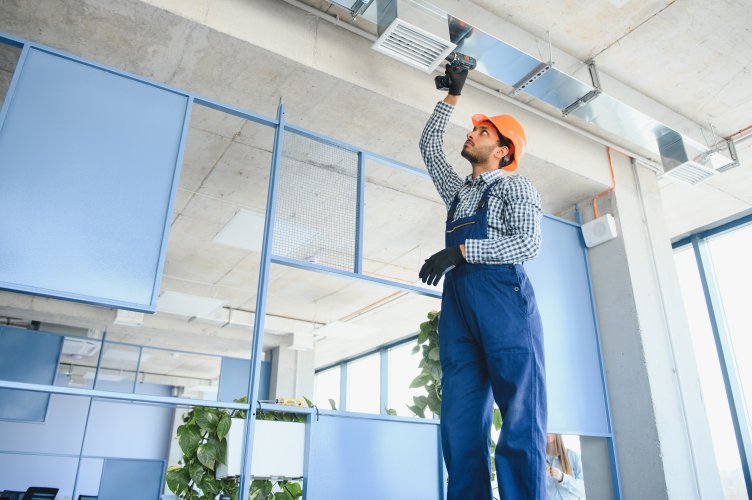
The transition to a more energy-efficient economy depends not only on new technologies and policies but also on the skilled workforce needed to implement them. Electricians, HVAC technicians, insulators, auditors and building operators (to name a few) all play a critical role in upgrading and maintaining efficient systems across the built environment. However, the U.S. faces a growing shortage of skilled tradespeople due to an aging workforce, declining enrollment in vocational programs and competition from other industries.
Energy Efficiency Creates Jobs
This workforce gap limits the capacity to deliver energy efficiency projects at scale: slowing building retrofits, delaying new technology installations, and reducing the overall impact of utility, state and federal investments in clean energy. Expanding and modernizing skilled trades training is essential to meet growing demand, ensure quality installations, and achieve energy and climate goals. Investing in apprenticeship programs, short-term credentials and partnerships between industry, labor and education providers can strengthen the pipeline of qualified workers and ensure that energy efficiency remains a driver of regional economic growth and sustainability.
We know that energy efficiency remains the largest employer of the Midwest clean energy economy, with the 2025 Clean Jobs Midwest report showing energy efficiency jobs makeup two-thirds of the region’s clean energy jobs and is the fastest growing sector.
Collaboration Drives Change
Knowing that our collective impact hinges on our ability to grow the energy efficiency workforce, MEEA created a platform for collaboration and information sharing amongst our members. In August 2024, MEEA introduced a new member committee to facilitate conversations about the energy efficiency workforce. From utility representatives to contractors to program administrators, this group has brought together different perspectives to discuss opportunities, lessons learned, and research findings regarding workforce issues in our industry.
Participating members’ experiences and interests have been the guiding force in the committee’s goals and activities. Topics of interest have included sharing best practices, trainings, funding opportunities and further collaboration between members of our network.
Some meetings consist of a ‘deep dive’ or a presentation on a specific topic from a committee member or external expert. Conversation topics this year have included policy changes and opportunities, engaging migrant communities and K-12 education's role in the workforce pipeline. Other meetings offer a more open discussion format where attendees seek to collaboratively solve shared challenges. Members of the committee often share upcoming relevant webinars and organizations utilizing strategies that others may want to replicate or engage with.
As the committee grows, it has the potential to shape industry conversations at large and reinforce the role MEEA can play in supporting our members and advancing workforce initiatives across the region. Committee members facilitated a discussion session at our annual Midwest Energy Solutions Conference this past January and have already helped shape two sessions for the 2026 conference: a discussion and a workshop. The committee will continue to bring relevant topics to the conference stage and develop more opportunities such as webinars and longer-term projects.
The group meets on the third Thursday of each month. Meetings currently alternate between expert-led discussions and open discussions, where members share successes, challenges and opportunities to bridge gaps in the energy efficiency workforce. All members are welcome to join, so if you are interested in learning more or joining the committee, reach out to Henry Edelstein.